Understanding Storm Damage Roofing: What Homeowners in Dacula Need to Know
When a big storm rolls through Dacula, the first thing most homeowners check is their roof. It makes sense. The roof is the main barrier between your home and the weather, and it takes the hardest hit from wind, hail, and heavy rain. Over the years, I have seen plenty of roofs that looked fine from the ground but had hidden damage that only showed up months later. That is why understanding storm damage roofing is so important for anyone who owns a home in this area.
Storm damage is not always obvious right away. A missing shingle or a hole in the flashing might be easy to spot, but other problems like cracked sealant around vents, loosened flashing along the chimney, or small punctures from flying debris can be much harder to see. The tricky part is that even minor damage can lead to leaks, mold growth, and expensive interior repairs if it is not fixed quickly. That is why a thorough inspection after every major storm is a good habit for homeowners.
Common Types of Storm Damage on Roofs
Different storms cause different kinds of damage. Understanding what to look for can help you catch problems early. Here are the most common issues I have seen on residential roofs in the Dacula area:
- Missing or broken shingles. High winds can lift shingles and snap them off at the nail line. This leaves the underlayment exposed to water.
- Hail damage. Hailstones leave round dents in asphalt shingles, which can crack the protective granules. Over time, those spots let UV rays and water degrade the mat beneath.
- Flashing separation. The metal or rubber flashing around chimneys, skylights, and vents can pull away from the roof surface during strong wind gusts, creating an open seam for water entry.
- Gutter and downspout issues. Heavy rain can overwhelm gutters, pulling them loose from the fascia or bending downspouts. Clogged gutters then cause water to pool at the roof edge, which can rot the decking.
- Tree limb punctures. Falling branches can punch holes through shingles and into the roof deck. Even a small puncture can let in a surprising amount of water.
Each of these problems requires a different approach. Some can be repaired with a simple patch, while others call for a more involved fix or a full replacement. Knowing the difference comes down to experience and careful inspection.
Why Quick Action Matters for Storm Damage Roofing
I have talked to homeowners who waited weeks or even months after a storm to call a roofer. By then, the damage had already spread. Water that seeped under a lifted shingle had soaked the insulation, stained the ceiling, and started growing mold in the attic. The repair cost was much higher than it would have been if they had addressed the problem right away.
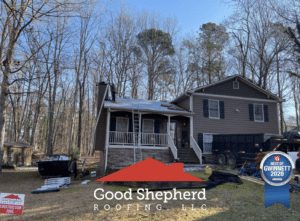
When you deal with storm damage roofing promptly, you stop the chain reaction. A small leak that is fixed in the first few days might only cost a few hundred dollars. The same leak left for a season can turn into a five-figure insurance claim involving drywall replacement, mold remediation, and roof deck repair. The math is simple: early action saves money and stress.
Another factor is insurance. Most homeowner policies cover storm damage, but they often have time limits for filing a claim. If you wait too long, the insurance company might argue that the damage was caused by lack of maintenance rather than the storm itself. That can lead to a denied claim. Getting a professional inspection soon after the storm gives you documented evidence that supports your case.
What a Good Roof Inspection Should Cover
A proper inspection goes beyond just looking at the surface. A knowledgeable roofer will check the attic for signs of moisture, examine the flashing and sealant around all penetrations, and look at the condition of the gutters and downspouts. They should also inspect the ridge cap and hip shingles, which are common failure points in high winds.
I recommend that homeowners ask for a written report after the inspection. The report should list the specific damage found, the recommended repairs, and an estimate. This document is useful for your insurance adjuster and gives you a clear record of what was done. It also helps you compare quotes if you decide to get multiple bids.
When to Repair vs. When to Replace
One of the hardest decisions after a storm is whether to repair the existing roof or replace it entirely. There is no single answer that fits every situation, but here are some guidelines that have served me well:
- Age of the roof. If your roof is less than 10 years old and the damage is limited to a few shingles, a repair is usually fine. If the roof is 20 years or older and the damage is widespread, replacement might be the better long-term choice.
- Extent of the damage. A roof with more than 30% shingle loss in one section is likely to have underlying decking damage. Replacing just the shingles might leave you with a hidden problem. In that case, stripping and replacing the affected area is safer.
- Insurance coverage. Some policies pay for a full replacement if the roof is damaged beyond a certain threshold. Check with your adjuster before making a decision. You might be surprised at what is covered.
- Future storm risk. If you live in an area that gets frequent hailstorms or high winds, a newer, more impact-resistant roofing material could be worth the investment. Asphalt shingles are common but not the most durable choice for severe weather.
I have seen cases where a simple repair was the smart move and other cases where a full replacement saved the homeowner more money in the long run. It really depends on the specifics of your roof and your budget.

Working With Your Insurance Company
Filing a storm damage claim can feel overwhelming, but it does not have to be. The key is documentation. Take photos of the damage from multiple angles before anyone does any temporary repairs. Keep receipts for any emergency work, like tarping a leaking section. A reputable roofer can help you with the paperwork and communicate directly with the adjuster.
When the adjuster comes out, have your inspection report ready. Point out the specific areas of concern. If the roofer found hidden damage in the attic, show the adjuster those photos as well. The more evidence you provide, the smoother the process tends to go.
One thing I always tell homeowners is not to sign off on a claim settlement until you have a firm estimate from a contractor you trust. Sometimes the insurance payment looks generous, but once the roofer starts the work, hidden damage might surface. If you have already accepted the settlement, you may be on the hook for the extra cost. A good contractor will work with you and the adjuster to ensure the claim covers the full scope of work needed.
Preventing Future Storm Damage
After you get your roof fixed, there are a few steps you can take to reduce the risk of damage in the next storm. Trim overhanging tree branches that could fall on the roof. Make sure your gutters are clean and securely fastened so they can handle heavy rain. Check the sealant around vents and pipes every year and replace it if it is cracking or peeling.
Connect with us on YouTube.
Another often-overlooked step is upgrading your underlayment. Modern synthetic underlayments are much more water-resistant than traditional felt. If you are replacing your roof, consider spending a bit more for a high-quality underlayment. It can make the difference between a small leak and a major water intrusion event.
Finally, consider installing ice and water shield in valleys and around penetrations. This self-adhering membrane provides an extra layer of protection in the most vulnerable spots. It is not expensive, and it can save you from headaches down the road.

Storm damage roofing is a reality for homeowners in Georgia. The weather can be unpredictable, and the roofs here take a beating every year. But with the right knowledge and a bit of planning, you can handle it. Inspect your roof after every big storm, address problems quickly, and work with professionals who know what they are looking at. That approach has saved my clients a lot of money over the years, and it can do the same for you.
If you live in the Dacula area and need help with storm damage repairs, you can contact Good Shepherd Roofing, a roofing company in Dacula, GA providing roof repair, replacement, gutters, and insurance claim support for homeowners, located at 2505 2nd Ave, Dacula, GA 30019, USA, or call +1 833-477-7663.